Before “Mama” and “Dada”: Building the Foundation for Communication
Let’s learn all about the importance of prelinguistic skills!
But… What are prelinguistic skills?
Prelinguistic skills are skills that a child must develop before they can begin to produce words. Think of prelinguistic skills as the foundation for speech/language and communication. Some skills that fall into this category are joint attention, imitation, turn taking, use of gestures, and even play!
Joint Attention
Joint attention is when a child and an adult are focused on or attending to the same task/activity. A great joint attention activity for parents and children to participate in is reading books! Books are great for targeting language skills such as naming and identifying objects and actions. Books are great for practicing pointing as well. Another good example of joint attention is showing. When a child picks up an item or their favorite toy to show an adult, that is considered joint attention!
Imitation
Imitation is when a child copies or repeats someone's actions, facial expressions, and even sounds. Through imitation, children can learn back and forth communication and even turn taking! Waving hello/goodbye or clapping hands are great actions to practice with little ones. Sharing smiles and silly faces is also great for practicing imitation. Incorporating practice with making animal sounds (“moo,” “quack,” "baa,” etc.) and other environmental sounds such as a car or vehicle (“beep” or “vroom”) is also great for encouraging imitation!
Turn Taking
Turn taking is where children learn the power of back-and-forth communication and connection. Games like playing peekaboo and rolling a ball back and forth are great games for practicing turn taking. Imitating a child’s vocalization/babbles is also a great way to encourage turn-taking.
Gestures
Using gestures is a vital prelinguistic skill. Gestures can lead us to what children are trying to communicate before they are using words. Examples of gestures include reaching for desired objects, pointing, waving, patting a chair to sit, or shaking their head yes/no. We can encourage gestures by modeling them ourselves or labeling actions that children are displaying.
Play
Play is a great way to incorporate and practice prelinguistic skills. Play is a huge part of early learning and development! Take, for instance, building with blocks; a child and an adult can practice joint attention as they attend to the same task. They can practice imitating by putting blocks on to build a tower, or putting blocks on silly places like their heads, arms, feet, etc. They can also target turn taking, by taking turns adding/taking blocks, or even knocking blocks down! After the blocks are knocked down, incorporate a gesture by putting your hands out in a questioning position or placing your hands on your head, paired with a familiar phrase, like “uh oh”.
Practicing prelinguistic skills is important and so much fun!
Early Language Strategies to Try
Model: Verbalize words and phrases that can be used in various situations. For example, if a child is reaching for a cookie, you may model “cookie,” “I want cookie,” or “more”.
Simplify: Simplify language into short phrases and sentences when playing and giving directions. This will assist with overall understanding.
Comment rather than question: Make more statements rather than questions when practicing prelinguistic skills. For example, when reading a book, you could comment “Look, a red truck” rather than asking the question, “What is that?” This decreases communication pressure.
Use verbal routines: Repeat/use the same words in daily routines and play. This encourages participation and helps build confidence.
Follow their lead: Let children show you what they are interested in. This will help bring excitement!
If you have any questions or would like to learn more about how to facilitate strong prelinguistic skills, please reach out to us!
Let’s grow and play together!
Cassidy Robinson M.S., CCC-SLP
The Way to Grow Pediatric Therapy Team 🌟
about our featured writer:
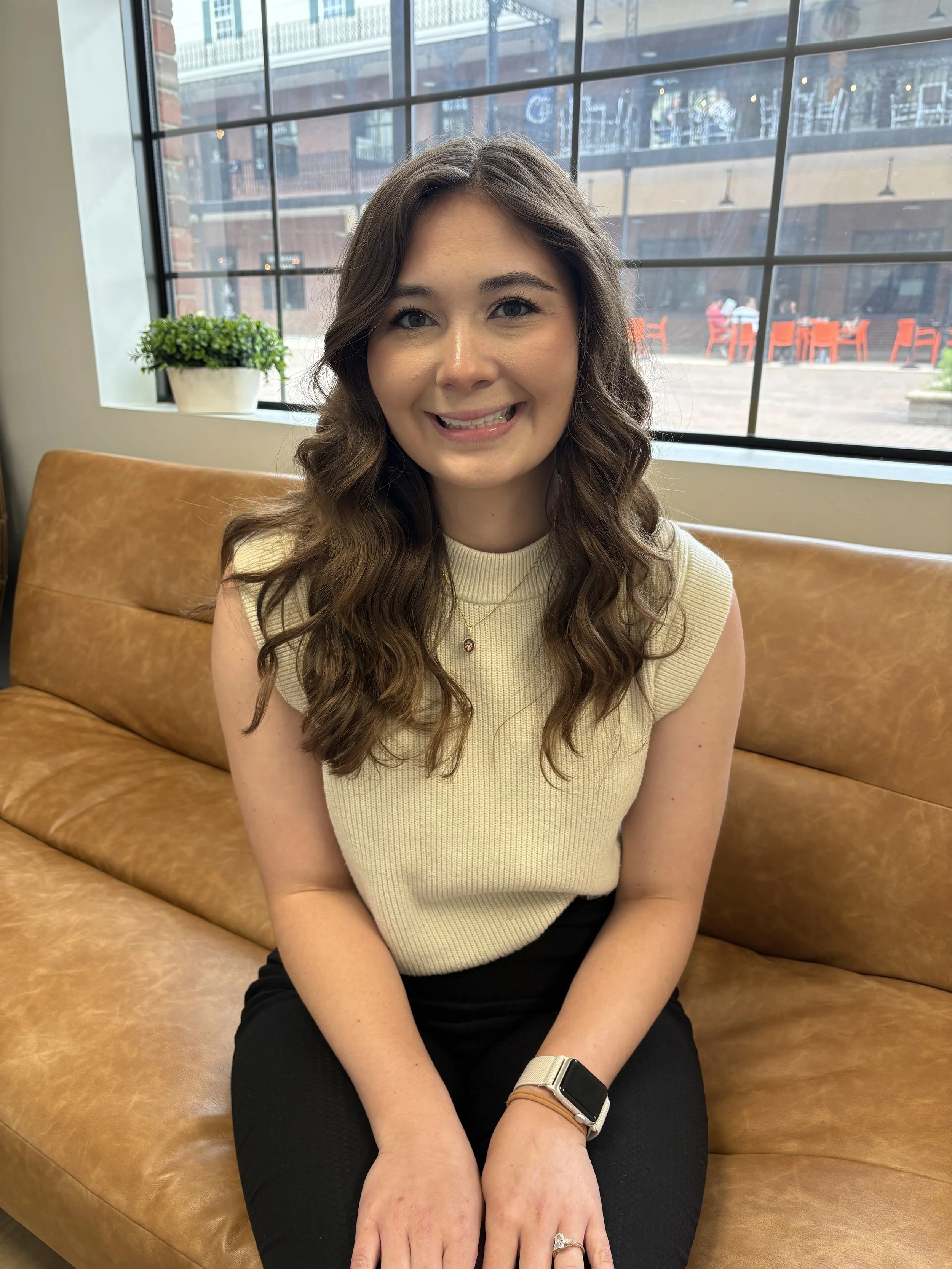
Meet Cassidy, our Canton-based Speech-Language Pathologist with Way to Grow! (Did you know we offer services in Canton?) Cassidy received her Master’s of Science in Speech Pathology from Western Illinois University, where she also received Bachelor’s degrees in Speech Pathology and Audiology and Psychology! Cassidy knew she wanted to make a difference in others’ lives, and that’s what drew her to speech-language therapy! She values building relationships with the children and families she works with, and enjoys watching clients build their confidence and improve their communication skills! In her free time, Cassidy enjoys spending time with her husband, friends, and family, baking, going on walks, and renovating her new-to-her house!